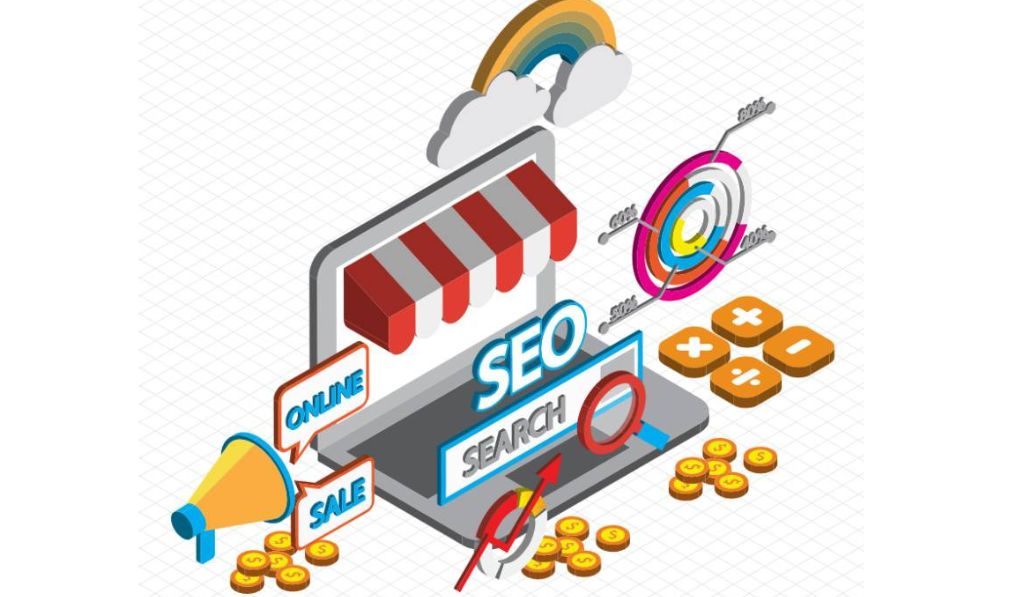
In today’s digital marketplace, search engine visibility can make or break any eCommerce business. Even a beautifully designed online store can struggle to attract customers if it’s not optimized for search engines. Therefore, understanding BigCommerce SEO and how it interacts with store structure and development is crucial for long-term success.
BigCommerce is a robust SaaS eCommerce platform that provides businesses with both the flexibility to customize their stores and the performance capabilities needed for high-traffic operations. However, true optimization goes far beyond simply adding keywords or meta tags; it requires a strategic approach to store architecture, development practices, and technical SEO.
In this guide, we will explore how the structure and development of a BigCommerce store directly impacts search rankings and how you can leverage professional BigCommerce development services to maximize business visibility and conversions.
Why SEO Matters for BigCommerce Stores
Search engine optimization is crucial because most online shopping begins with a search query. According to industry research, more than 70% of shoppers find products through search engines rather than direct navigation or paid advertisements. For a BigCommerce store, SEO ensures that potential customers can easily find your products, while proper development practices guarantee that your store functions efficiently, meeting the expectations of both search engines and users.
The main reasons why SEO is important include:
- Increased organic traffic without heavy ad spend
- Improved credibility and trust with users
- Enhanced site usability and faster load times
- Better performance on mobile devices, which is crucial for modern eCommerce
Without proper SEO integration in BigCommerce website development services, even a technically robust store may struggle to rank in the competitive market.
How BigCommerce Store Structure Impacts SEO
The structure of your BigCommerce store is the backbone of your SEO strategy. It determines how easily search engines crawl your site and how well users can navigate it.
1. URL Architecture
BigCommerce automatically generates SEO-friendly URLs, but proper planning is essential. Clear, descriptive URLs help search engines understand the page’s context and improve rankings.
The best methods include:
- Using keywords in URLs (e.g., /mens-running-shoes instead of /category123)
- Keeping URLs short and readable
- Avoiding unnecessary parameters or numbers
2. Category and Product Hierarchy
A logical hierarchy ensures that both users and search engines can easily navigate your store.
- Group the products into clear categories and subcategories.
- Ensure that each category page has a unique meta title and description.
- Use breadcrumb navigation to improve internal linking and site crawlability.
3. Internal Linking
Internal linking distributes link equity and helps search engines discover new pages. BigCommerce facilitates easy linking between products, categories, and blog posts.
- Link related products within the description.
- Connect blog content to product pages.
- Maintain a clean, simple site structure to minimize clicks required to reach essential pages.
BigCommerce Development Practices That Affect SEO
The right BigCommerce development services can significantly impact search engine performance. Developers who understand SEO integrate it into both the backend and frontend processes.
1. Page Speed and Performance Optimization
Search engines prioritize websites that load quickly. BigCommerce’s cloud infrastructure provides a strong foundation, but custom themes, apps, or large catalogs can slow down performance.
Optimizations include:
- Minimizing CSS, JavaScript, and image sizes
- Leveraging content delivery networks (CDNs)
- Enabling browser caching and compression
- Optimizing Core Web Vitals (LCP, CLS, FID)
2. Mobile Optimization
With mobile-first indexing, Google primarily evaluates the mobile versions of pages. BigCommerce supports responsive themes, but custom development will need to ensure the following:
- Fast mobile load times
- Intuitive navigation
- Accessible product images and descriptions
3. Structured Data and Schema
Structured data helps search engines understand your content and can improve SERP results with rich snippets, including product ratings, price, and availability.
BigCommerce supports schema implementation for the following:
- Products
- Reviews and ratings
- Breadcrumbs
- Offers and promotions
4. Technical SEO Considerations
Technical SEO ensures that search engines can effectively crawl, index, and rank your store. Key methods include:
- Using canonical tags to prevent duplicate content
- Creating XML sitemaps and submitting them to Google Search Console
- Optimizing robots.txt and meta robots tags
- Redirecting outdated URLs with 301 redirects
BigCommerce Content Strategy and SEO
SEO isn’t just technical; it also depends on high-quality, relevant content. BigCommerce stores benefit from these things:
- Product descriptions with natural keywords
- Category page content that informs and converts
- Blog posts to target informational queries and support internal linking
- User-generated content such as reviews and Q&A
When implemented correctly, integrated content search improves both search rankings and user engagement. For example, companies often link their store pages to educational resources, such as this BigCommerce multi-storefront guide, to increase relevance and authority:
👉 BigCommerce Multi-Storefront Guide
https://samyakonline.biz/blog/bigcommerce-multistore-front.html
International SEO Considerations
For global businesses, BigCommerce supports multi-currency and multi-language stores. SEO for international stores includes:
- Hreflang tags for language-specific pages
- Region-targeted content and metadata
- Geo-targeted redirects for local markets
Optimizing these aspects ensures that your store ranks correctly in target countries, which is crucial for businesses expanding into markets such as the USA, UK, Germany, Canada, Australia, France, Italy, and Romania.
Leveraging Apps and Integrations for SEO
BigCommerce offers a variety of apps that improve SEO, including tools for the following:
- Automated meta tag generation
- Image optimization
- Site audits and performance monitoring
- Structured data management
Choosing the right apps and integrating them properly into your BigCommerce store ensures that SEO benefits are sustained in the long term and do not conflict with custom development.
Why Professional BigCommerce Development Services Matter for SEO
Many businesses underestimate the role of development in SEO. Poorly coded themes, slow-loading apps, and ineffective integrations can render even the best content strategy useless.
Partnering with a BigCommerce development services agency ensures the following:
- Proper integration of technical SEO
- Mobile and performance optimization
- Customizations that do not compromise search engine visibility
- Long-term maintainability and scalability
For example, Samyak provides comprehensive online full-service BigCommerce development and SEO guidance, ensuring that stores are not only functional but also optimized for search visibility and conversions.
Read Also, This Blog: Essential Guide to BigCommerce Development Services for Your eCommerce Business
Measuring BigCommerce SEO Success
Once implemented, it’s crucial to track SEO performance using these metrics:
- Organic traffic growth
- Keyword ranking improvements
- Conversion rates from organic traffic
- Core Web Vitals and page speed scores
- Crawl errors and index coverage
Tools like Google Analytics, Search Console, and specialized BigCommerce SEO apps provide valuable insights for continuous improvement.
Common SEO Challenges and Solutions in BigCommerce
Despite having a robust platform, the store may face SEO challenges:
- Duplicate content: resolved with canonical tags
- Slow-loading pages: fixed through optimization of themes and images
- Complex product variants: managed using structured data and careful indexing
- International SEO issues: addressed with hreflang and geo-targeted strategies
Understanding these challenges early in the development process saves time and helps maintain search rankings.
Conclusion
BigCommerce SEO is deeply intertwined with both the store’s structure and development practices. A technically sound store with a clean architecture, fast performance, structured data, and optimized content is more likely to achieve high search engine rankings, attract organic traffic, and convert visitors into customers.
For businesses looking to leverage the full potential of BigCommerce, working with a professional BigCommerce development services agency ensures that SEO is integrated into every stage of development, from backend architecture and theme design to custom apps and global store setup.
Optimizing your BigCommerce store isn’t just about rankings; it’s about creating a seamless, high-performance experience that scales globally and converts efficiently, making BigCommerce a powerful option for growth-focused eCommerce businesses.
For more guidance on professional BigCommerce development and SEO, please see all the services offered here:
👉 BigCommerce Development Services
https://samyakonline.biz/ecommerce/bigcommerce-development-design.html
 Moz SEO
Leave a comment